
iago - Learn Japanese
Iago EducationEducational
4.688.00 Reviews
- Version
- 3.5.4
- Installs
- 50.00K
- Age Rating
- Everyone
Screenshots


Our Review of iago - Learn Japanese
 Analysis by Appyee
When a Japanese lesson stalls, it is tempting to blame the material or assume you have missed a setting. I find it more useful to pause and identify the snag: is the task unclear, is the device not playing sound, or are you simply trying to do too much in one sitting? That distinction matters in a language-learning game, where a quick session can be useful but cannot replace patient practice. iago - Learn Japanese is aimed at getting learners into Japanese early, and I would approach it as a practical starting point rather than a complete language course.
Where a lesson can lose momentum
Japanese presents several kinds of work at once: recognizing written forms, remembering vocabulary, understanding sentence patterns, and getting comfortable with speech. The published description of this game is brief, so I would avoid assuming that every learner will find the same depth or route through those areas. In practice, the best first check is whether the activity in front of you matches your current goal. If you want to practice listening, spend your attention on hearing and repeating rather than racing through a screen just to finish.
A common frustration for beginners is confusing recognition with recall. A word may look familiar in a quiz, yet remain difficult to produce without a prompt. I recommend treating a correct answer as a checkpoint, not proof that the word is learned for good. After a lesson, try to remember a few items without looking, then return to anything that felt shaky. That small pause makes a short game session more useful and helps you notice whether you are learning or only reacting to choices.
Checks that make a first session easier
Before settling into a lesson, make sure the game is current and that your device can play audio at a comfortable volume if you intend to use listening practice. The current version is 3.5.3, and the minimum Android requirement is version 7.0. If you use a different device, check its store page for compatibility before planning a study routine. These are simple checks, but they can save time when an app will not install or a sound exercise seems silent.
I would also begin with a modest goal: one focused session, then a quick check of what you can recall. That is more revealing than tapping through several lessons while distracted. If the app offers a choice of activities in your session, pick the one that addresses your weakest point instead of defaulting to the easiest or most entertaining task. The game is free to download, while optional in-app purchases range from $9.99 to $94.99 per item, so I would explore the free experience before deciding whether any purchase suits your needs.
Recovering when practice feels unproductive
If you get several answers wrong, do not immediately repeat the same activity at speed. Slow down and ask what caused the mistake: was the word unfamiliar, did you misread the prompt, or did you recognize it but fail to remember it? Each cause needs a different response. Revisit the item with attention, say it aloud if that helps, and then give yourself a short break before testing recall again. Repetition is valuable, but mindless repetition can make a score look better without building dependable knowledge.
When a lesson appears to stop progressing, first return to the previous screen and reopen the activity. If that does not help, close and reopen the game, then check that your device has a stable connection if the task depends on one. These are general troubleshooting steps, not a guarantee that every issue has the same cause. If a problem continues, note what you were doing and what happened before contacting the developer, Iago Education, through the support route available in the app or store. A clear description is more useful than repeatedly trying the same action.
When the device or routine is the real obstacle
Not every disappointing session points to a problem with the game. Audio can be muted, routed to headphones, or drowned out by a noisy commute; a pronunciation exercise is hard to judge under those conditions. I would test sound in a quiet place before deciding that the lesson is ineffective. Likewise, a tired or hurried session is a poor measure of whether Japanese practice is working. If you are squeezing it into a moment when you cannot concentrate, choose a shorter review or return later rather than forcing a long study block.
For a realistic routine, imagine having a few minutes before dinner. I would use that time to revisit one small set of material, listen carefully where audio is available, and finish by recalling what I can without prompts. Later, I would make a note of one point to revisit instead of expecting a brief session to carry an entire study plan. This kind of use suits a mobile game better than trying to learn every part of Japanese in a single sitting. It also gives you a useful way to tell whether the app fits your schedule: can you return to it consistently without turning practice into a chore?
Who benefits most, and who may want another tool
Iago is most appealing to someone who wants an approachable entry point and is comfortable learning through short, interactive practice. It may suit a beginner who needs a reason to open a Japanese lesson regularly, or a learner who wants a lightweight complement to a textbook or class. The game category can make practice feel less formal, but I would still pair it with deliberate review. A score or streak, if present in your experience, should motivate you to return rather than become the only measure of progress.
If your main goal is detailed grammar instruction, extensive reading, handwriting practice, or live conversation, a dedicated resource for that purpose may be a better fit. A textbook can explain a point at length; a tutor can respond to your specific errors; and a conversation partner can challenge you to understand speech in context. Those options do not make this game pointless. They show where it can fit: a convenient practice companion, not necessarily the one tool that covers every need. Before spending on an optional purchase, I would compare what it offers with the exact skill you are trying to improve.
How it sits alongside other Japanese-learning options
Compared with flashcard-style study, a game can make it easier to begin because the experience is framed as an activity rather than a stack of review prompts. Flashcards, however, often give learners more control over what to repeat and how to organize a personal vocabulary list. Compared with a full course, a mobile game may feel less demanding and easier to fit into a spare moment, while a structured course may provide clearer progression and broader explanations. The right choice depends on whether you need motivation, depth, or a particular kind of practice.
I would not treat any single format as a contest winner. Use a game when you need a low-friction way to practice, and switch to another resource when you hit a question that needs a fuller explanation or more open-ended speaking. A useful test is to ask yourself what you can do after a session that you could not do before: recognize an item more quickly, remember it without a prompt, or understand a spoken example more clearly. If the answer never changes, adjust the way you study or add a resource that targets the missing skill.
Getting Started with Iago
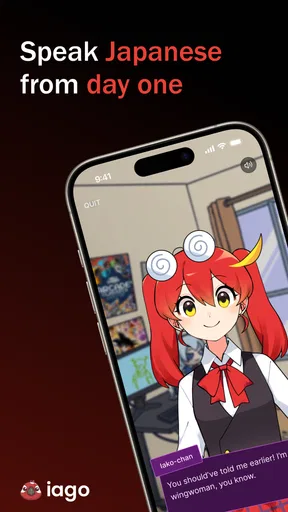
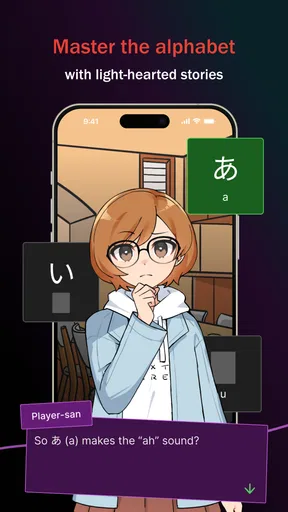
First off, downloading Iago - Learn Japanese was a breeze. Available on both Android and iOS, it took just a few taps to get it up and running. Once inside, the app greets you with a sleek, user-friendly interface. Everything feels intuitive, so you won't find yourself lost amidst endless menus. It’s designed to get you learning right away, which is fantastic if you're eager to dive into the world of kanji and hiragana.
The Learning Modules
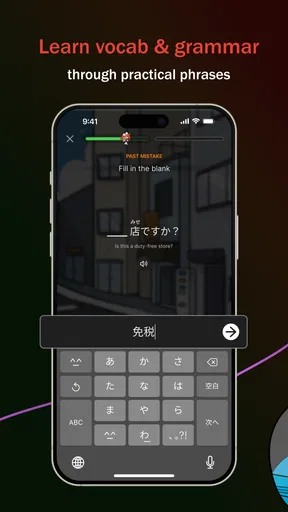
Iago offers a variety of modules tailored to different aspects of the language. From basic vocabulary to more advanced grammar, you’ll find a comprehensive array of lessons. What I particularly liked is the way the app breaks down complex concepts into bite-sized chunks. Each module feels manageable, and before you know it, you're picking up phrases and terms without even realizing it.
One unique feature is the interactive quizzes at the end of each lesson. These are a mix of multiple-choice questions, fill-in-the-blanks, and even some audio-based listening exercises. They’re not just fun but also a great way to reinforce what you've learned.
Audio and Pronunciation
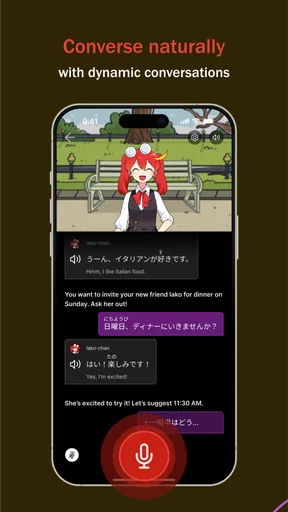
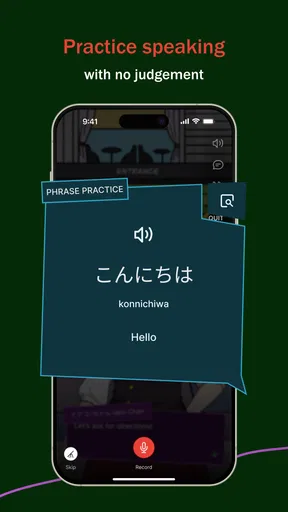
Now, let's talk about pronunciation. Learning a new language isn't just about reading and writing; it's about speaking it too. Iago excels in this area with its native-speaker audio clips. Each word and phrase comes with an audio file, allowing you to hear how it's supposed to sound. I found myself repeating after the audio, and over time, my pronunciation improved significantly. It’s like having a language tutor on your phone.
A Personalized Experience
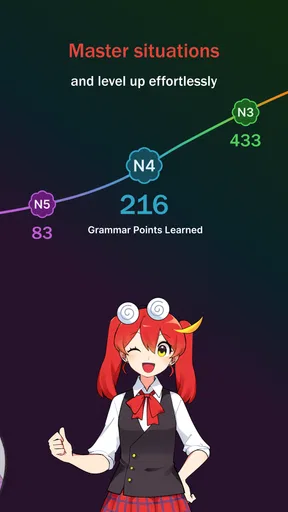
What sets Iago apart is its personalized learning path. The app adapts to your pace and preferences. If you’re breezing through the basics, it’ll gently nudge you towards more challenging content. Conversely, if you’re struggling, it offers additional practice and review. This adaptability ensures that you’re always learning at your optimal level.
Gamification Elements
Learning a language can sometimes feel like a slog, but Iago keeps things lively with its gamification elements. You earn points and badges as you progress, which adds a layer of motivation. Trust me, there’s nothing like seeing that little badge pop up after acing a quiz. It’s a small touch, but it keeps you engaged and coming back for more.
Community and Support
Another aspect I love is the community feature. You can connect with fellow learners, share tips, and even practice your skills with native speakers. It’s a vibrant community that’s always ready to help. Plus, if you ever run into technical issues, the support team is just a message away, and they’re pretty quick at resolving queries.
Final Thoughts
Wrapping up my experience with Iago, I’d say it’s a fantastic tool for anyone serious about learning Japanese. Whether you're a complete beginner or looking to polish your skills, this app has something for everyone. It combines effective teaching methods with a user-friendly design, making language learning accessible and enjoyable.
So, if you're ready to embark on your Japanese language journey, give Iago - Learn Japanese a try. Who knows, you might just find yourself conversing in Japanese sooner than you think!
A grounded recommendation
The game has an average rating of 4.6 from around 3.6 thousand ratings, with 79 written reviews and over 50 thousand installs. It is free to start, carries an Everyone age rating, and was released on March 18, 2025. Those details suggest it has drawn interest from a broad audience, but they cannot tell you whether its approach matches your preferred way of learning. I would use the first sessions to judge the lesson style for yourself rather than treating popularity as a promise of fluency.
My practical verdict is that this is worth considering if you want Japanese practice to feel accessible and you are willing to supplement it when your goals become more specific. Keep sessions focused, check sound and compatibility before troubleshooting a lesson, and use mistakes to decide what to review next. If you want a single resource for advanced explanations or substantial conversation practice, choose a more specialized option alongside it. For a learner looking for a friendly starting point, though, iago - Learn Japanese can make the first step feel manageable—as long as you bring the patience and consistency that language learning still requires.
Verdict
Strengths of iago - Learn Japanese
- User-friendly interface for beginners.
- Comprehensive grammar explanations.
- Interactive quizzes enhance learning.
- Offline mode available for travel.
- Covers both kanji and kana scripts.
Limitations of iago - Learn Japanese
- Limited free content in the app.
- Occasional ads interrupt lessons.
- Requires internet for full features.
- No speech recognition for practice.
- Subscription can be expensive.
Similar Picks in This Category
View All
Little Panda Policeman
BabyBus4.0

Monster Trucks Game for Kids 2
Raz Games4.1

Little Panda's Chinese Recipes
BabyBus4.4

Little Panda's Restaurant
BabyBus4.4

Little Panda's Ice Cream Games
BabyBus4.3

Baby Panda Care
BabyBus3.8
Frequently Asked Questions
What is the main purpose of iago - Learn Japanese?
iago - Learn Japanese is designed to help users learn the Japanese language through interactive lessons, quizzes, and cultural insights. The app focuses on building vocabulary, understanding grammar, and improving pronunciation. It caters to beginners as well as more advanced learners, making it a versatile tool for anyone interested in mastering Japanese.
Does iago - Learn Japanese offer offline learning?
Yes, iago - Learn Japanese provides offline access to certain features and lessons. Users can download lessons and review them without an internet connection, which is especially useful for learning on-the-go. However, some features, like real-time quizzes or updates, may require an internet connection.
How does iago - Learn Japanese handle different proficiency levels?
The app is designed to accommodate various proficiency levels, from beginners to advanced learners. Users can take a placement test to identify their level and receive tailored content. The app adjusts the difficulty of lessons and exercises based on progress, ensuring a personalized learning experience.
Are there any subscription fees for iago - Learn Japanese?
iago - Learn Japanese offers both free and premium content. While the app provides a selection of free lessons, users can access additional features and more advanced content through a subscription. The premium version may include exclusive lessons, advanced quizzes, and personalized feedback from language experts.
What kind of support does iago - Learn Japanese offer?
The app provides robust support through an in-app help center, FAQs, and user forums. Users can also reach out to customer support via email for more specific inquiries. Additionally, the app updates regularly, incorporating user feedback to improve functionality and address any issues.
Play our best games!


